

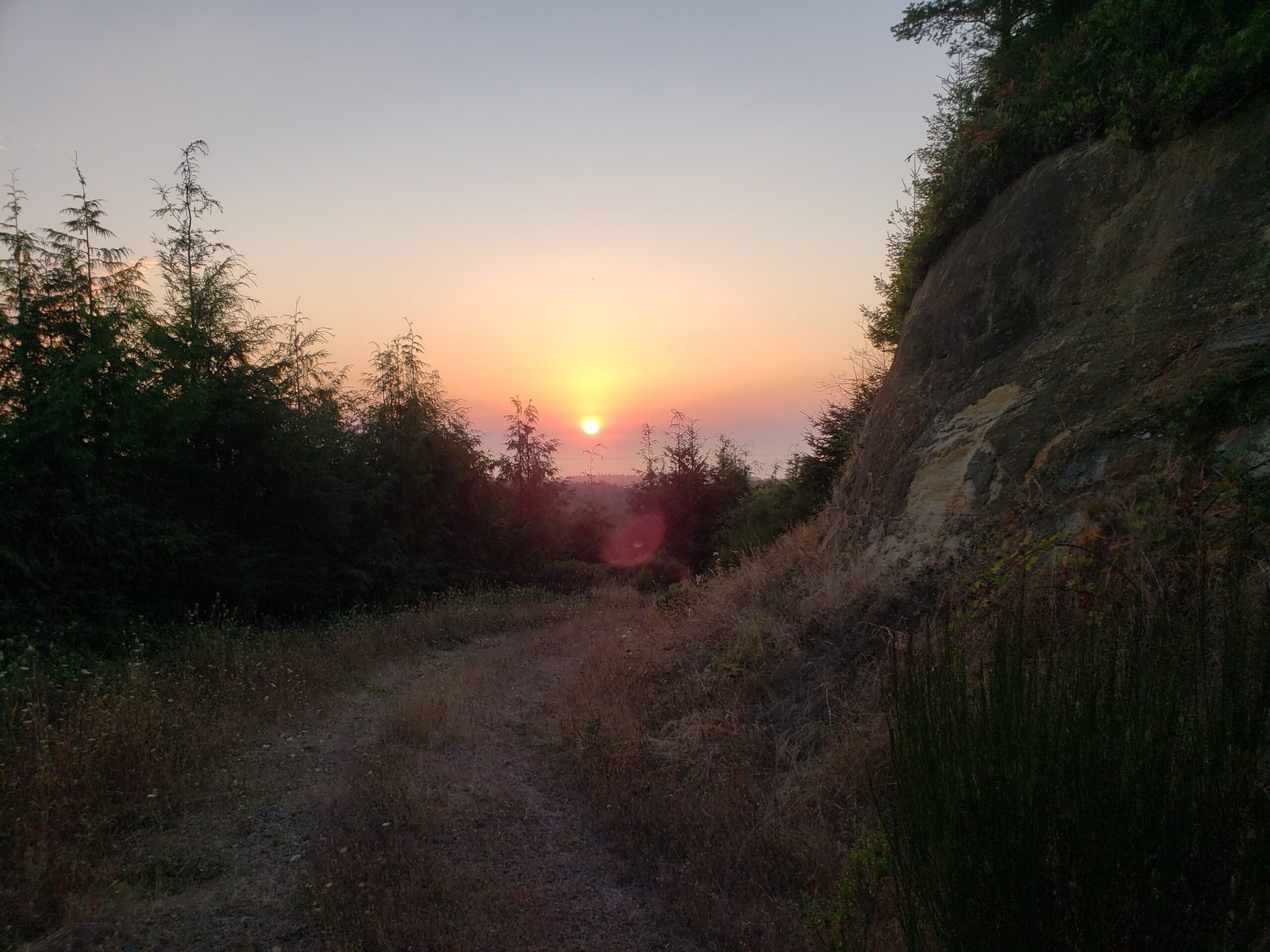
The Dirt and the Trail: Why You Must Hike During the Busy Gardening Season
There is a familiar panic that sets in during the peak of the growing season. The weeds grow overnight, the tomatoes need constant staking, and the harvest bucket is never empty. When you are managing a homestead, your property can quickly feel less like a sanctuary and more like an endless to-do list.
It sounds counterintuitive, but the busiest gardening weeks are exactly when you need to drop your trowel, leave the yard behind, and head out for a hike.
If you are lucky enough to live near the coast, trading the backyard for the shoreline is the ultimate antidote to mid-summer burnout. Stepping away from the cultivated rows isn’t neglect—it is essential maintenance for the grower. Here is why making time for a coastal trail will actually make you a better, happier gardener.
1. You Gain Fresh Perspective on Your Space
When you spend hours bending over your garden beds, your world shrinks to the size of a pest problem or a dry patch of soil. It is easy to lose sight of the big picture.
Coastal hiking forces your eyes to the horizon. Looking out at the vastness of the ocean reminds you of the grand scale of nature. You will return home with fresh eyes, seeing your homestead not as a stressful checklist, but as a small, beautiful part of a living ecosystem that knows how to find its own balance.
2. Lessons in Resilience from Coastal Plant Life
Manicured garden rows are wonderful, but nature is the ultimate master gardener. Coastal trails offer a masterclass in plant resilience that can deeply inspire your own cultivation practices.
As you hike along the bluffs and shoreline, observe how wild plants adapt:
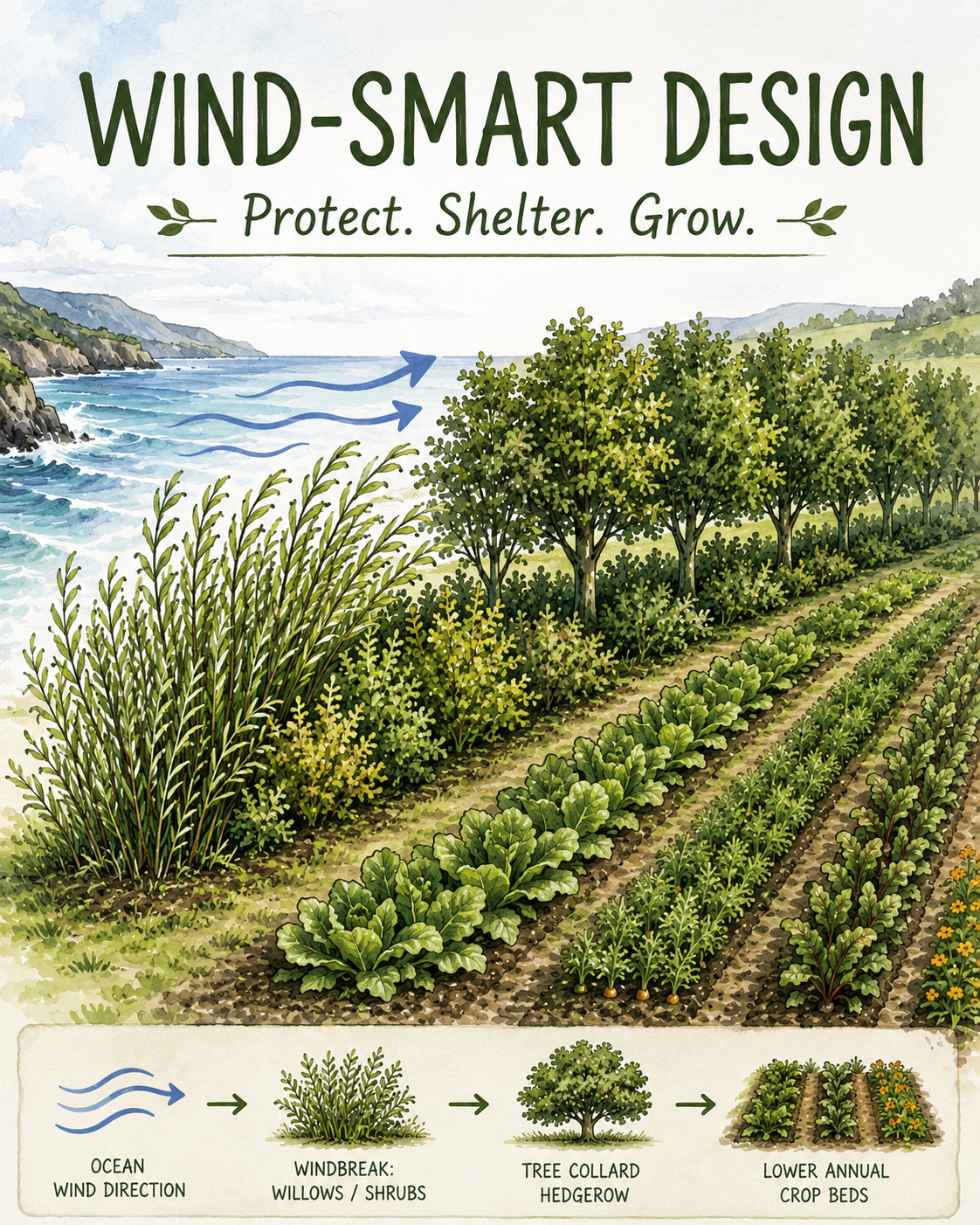
- Wind and Weather Barriers: Notice how twisted seaside trees and hardy shrubs grow together to form natural windbreaks. It might inspire you to plant a living hedge to protect your delicate crops from backyard drafts.
- The Power of Microclimates: Look at how small succulents and wildflowers tuck themselves into rocky crevices, utilizing tiny pockets of shade and moisture.
- Soil Adapters: Observe the plants thriving in sandy, nutrient-poor soil. It is a comforting reminder that life finds a way, even when conditions aren’t pitch-perfect like your compost pile.
3. Physical Relief for Tired Gardening Muscles
Gardening is hard physical labor, often involving repetitive motions like bending, kneeling, and lifting heavy bags. It puts a unique strain on your lower back, neck, and wrists.
Hiking uses your body differently, and coastal terrain adds its own benefits. Walking on shifting sand or navigating rocky beach trails builds core stability, strengthens your ankles, and opens up your posture. It functions as active recovery, stretching out the muscles cramped from hours of weeding and giving your joints a much-needed break from the garden soil.
4. The Mental Cleansing of Sea Air
Burnout is a very real threat for passionate growers. When you look at your garden and feel obligation instead of joy, it is time to step away.
The coast doesn’t demand anything from you. The rhythmic sound of the waves and the cool, salty breeze naturally reset your nervous system and lower stress levels. The open expanse of a beach hike clears out mental clutter in a way that dense forests sometimes can’t. When you return to your garden after inhaling that crisp ocean air, you will bring renewed energy and enthusiasm back to your chores.
How to Step Away Without Guilt
If your garden cannot survive a four-hour absence, it might be time to rethink your systems. Use these quick tips to sneak away to the coast guilt-free:
- The Deep Soak: Give your beds a heavy deep-watering right before you leave so you don’t worry about midday wilting.
- Trade the Peak Heat: Head to the coast during the hot midday hours. The natural coastal cooling will protect you from the heat while your garden rests under its mulch.
- Accept the Weeds: Remind yourself that a weed pulled tomorrow looks exactly like a weed pulled today. The tide won’t wait, but the chores will.
Step Outside the Gate
Your garden is a beautiful expression of your hard work, but it shouldn’t become a beautiful cage. This week, challenge yourself to leave the homestead behind for just half a day. Find a local coastal trail, breathe in the salty air, and remember why you fell in love with growing things in the first place.
The weeds will be there when you get back—and you’ll be much better equipped to handle them.
Leave a Reply