

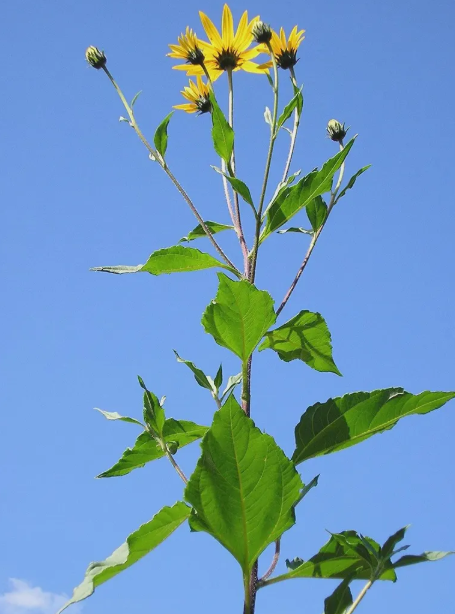
Jerusalem artichokes (Helianthus tuberosus), often called sunchokes, are famous among gardeners for their dual nature: they are high-yielding, nutritious root vegetables, but they also grow with such tenacity that they are frequently treated as invasive weeds. In coastal climates, where loose, sandy soils and mild temperatures prevail, these plants find a “Goldilocks” environment that allows them to spread aggressively.
Why Coastal Climates Supercharge Their Growth
Coastal regions provide several factors that turn Jerusalem artichokes into a garden-dominating force:
- Sandy, Well-Draining Soil: While sunchokes can survive in heavy clay, they thrive best in the loose, sandy soils common to coastal areas. This light soil allows their underground rhizomes to spread rapidly with minimal resistance.
- Mild Temperatures: Sunchokes are incredibly hardy (USDA zones 2–10). In coastal zones where deep freezes are rare, the tubers can overwinter safely in the ground and begin sprouting early in the spring as soon as soil temperatures reach approximately 45°F.
- Moisture Tolerance: Although they are drought-tolerant once established, sunchokes have a high water demand for maximum tuber production. The natural humidity and frequent precipitation of coastal climates support their rapid, tall growth (often reaching 6 to 10 feet).
The “Weed-Like” Habits
Gardeners often warn that once you plant a sunchoke, you have it for life. Their invasive reputation comes from a few key biological traits:
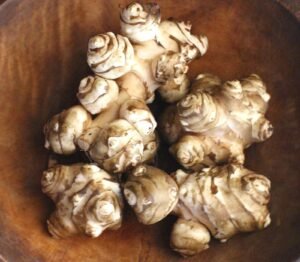
- Aggressive Rhizomes: A single plant can produce between 75 and 200 tubers in one growing season.
- Regenerative Power: Any tiny piece of a tuber left in the soil after harvest—even a fragment with a single “eye”—is capable of regrowing into a full plant the following spring.
- Allelopathic Properties: Like some other sunflowers, they can release chemicals that suppress the growth of neighboring plants, helping them outcompete native flora and garden crops.
- Physical Dominance: Their immense height and dense foliage can quickly shade out smaller plants, turning a diverse garden into a monoculture.
Managing the Spread
To enjoy the harvest without letting the plants “take over the universe,” experienced growers recommend these containment strategies:
- Dedicated Barriers: Plant them in raised beds or large containers (at least 15–18 inches wide). For in-ground planting, some use physical barriers like plastic or metal sheets buried 24 inches deep to block rhizome spread.
- Strategic Harvesting: Dig up at least half of the tubers every fall. Be meticulous; locating every tuber is notoriously difficult.
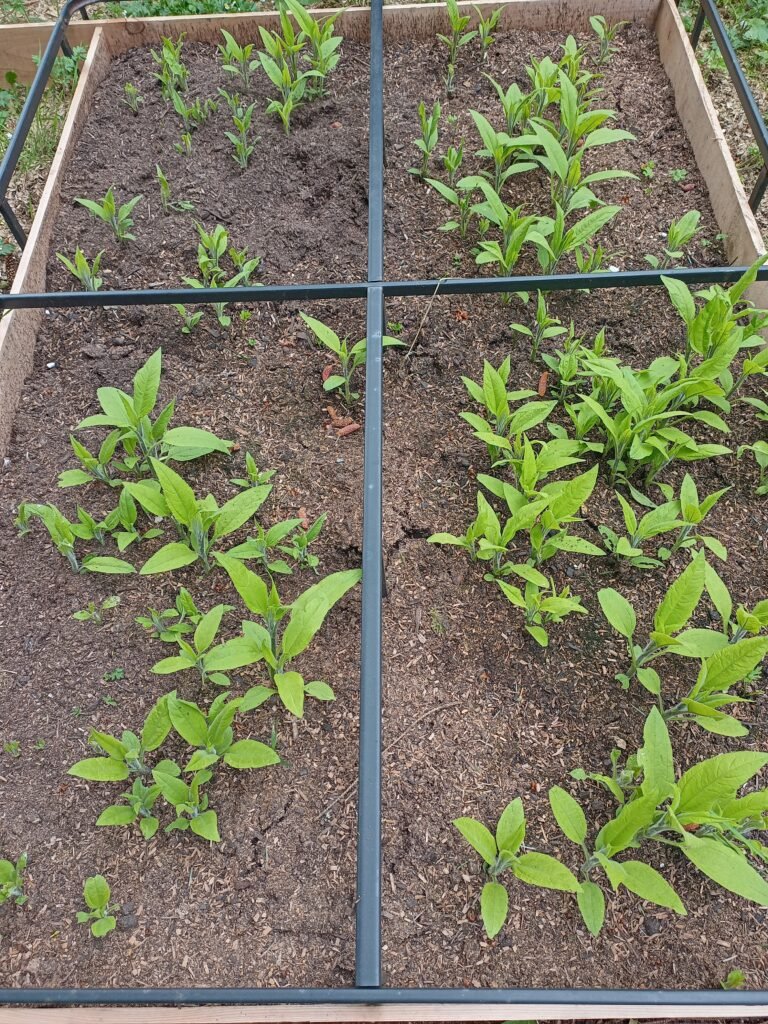
- Spring Thinning: If unwanted sprouts appear in spring, pull them when they are 4 to 8 inches tall. Constant mowing or pulling can eventually starve the remaining underground tubers of energy.
- Flower Management: Cutting flower stalks before they go to seed prevents further spread via birds or wind dispersal.
Jerusalem artichokes are a “lazy gardener’s dream” because they require almost zero maintenance once established, but in a coastal climate, that ease of growth is exactly what makes them a problem if you do not keep them contained.
I upcycled an old bedframe to contain one patch of our costal beauties.
Leave a Reply